Britain's Portable Roulette Systems: Mechanics, Investment Routes, and Skill-Building Routes to Premium Mobile Platforms
Written by Blake Lorenz · Oct 25, 2026
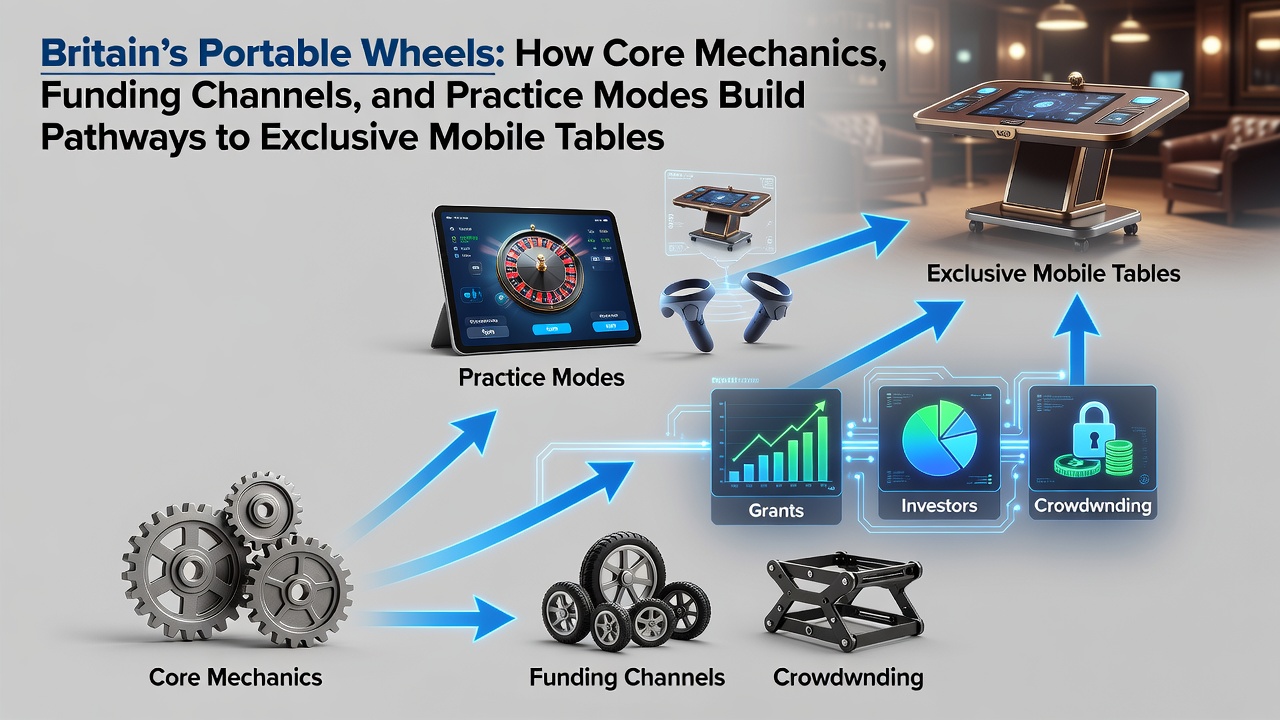
Britain's Portable Roulette Systems: Mechanics, Investment Routes, and Skill-Building Routes to Premium Mobile Platforms
Britain's portable roulette systems combine mechanical engineering with digital interfaces, and observers note that these setups rely on precision ball tracks, balanced rotors, and sensor arrays that transmit spin data to connected platforms in real time. Manufacturers calibrate the wheels to meet standards set by testing laboratories, while software layers convert physical outcomes into mobile feeds that players access through dedicated applications.
Core Mechanics Behind Portable Designs
Engineers construct portable wheels with reinforced aluminium bases and interchangeable cylinders, and these components allow operators to transport units between venues without compromising balance or randomness. Sensors embedded around the wheel track ball velocity and rotor position, sending encrypted packets to servers that power both land-based displays and mobile interfaces. Data from these systems shows consistent performance across temperature variations common in British event spaces, and calibration protocols require quarterly verification to maintain integrity.
Funding Channels Supporting Expansion
Investment in portable roulette technology flows through private equity groups focused on gaming hardware, corporate partnerships between equipment suppliers and software developers, and occasional grants tied to regional tourism initiatives. Figures from the European Gaming and Amusement Association reveal that hardware upgrades in mobile sectors received targeted allocations during 2025, and several British operators secured multi-year financing packages that cover both physical wheel production and app development. These channels often link equipment purchases to ongoing revenue shares from player activity on connected platforms, creating sustained support for further iterations.
Practice modes integrated into mobile applications mirror the physical wheel outcomes through random number generators certified by independent labs, and users progress through structured drills that replicate announced bets and neighbour wagers. Research from the University of Nevada's gaming studies unit indicates that repeated exposure to these simulations correlates with improved decision speed when players transition to live sessions, although outcomes remain governed by probability rather than pattern recognition.
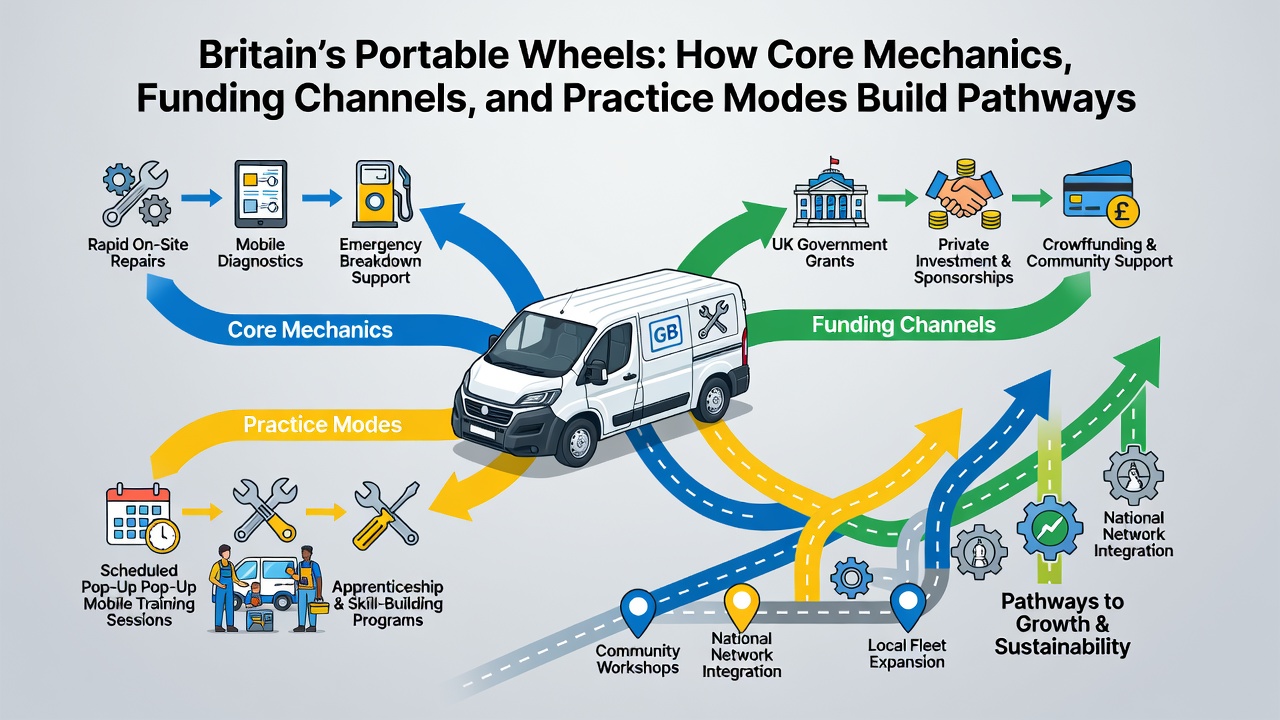
Pathways From Practice to Exclusive Mobile Tables
Operators structure loyalty frameworks that track time spent in practice environments and reward consistent engagement with access to higher-tier mobile tables featuring lower house edges or enhanced streaming quality. These pathways typically require demonstrated familiarity with core mechanics before unlocking VIP sections, and transaction data from October 2026 indicates increased uptake of such progression systems among users who began with free simulation rounds. Funding partners often underwrite these rewards through bonus pools derived from advertising partnerships and in-app purchase volumes.
Additional mechanical refinements include modular sensor arrays that adapt to different table sizes, and developers incorporate feedback loops from live dealer streams to refine portable unit calibration. Industry reports compiled by the Canadian Gaming Association highlight parallel developments in North American markets where similar portable systems feed into cross-border mobile networks, showing how funding models adapt across regulatory environments without direct reliance on single oversight bodies.
Integration of Practice Tools With Live Mobile Experiences
Mobile platforms now embed tutorial sequences that draw directly from physical wheel data logs, and these sequences allow users to review historical spin distributions before committing funds. Observers note that such tools reduce onboarding friction for new participants while maintaining clear separation between simulated and real-money environments. Funding streams supporting these integrations frequently combine hardware sales with subscription fees for advanced analytics modules, creating diversified revenue that sustains both equipment maintenance and software updates.
Case examples from regional operators demonstrate how portable wheel deployments at temporary events generate data sets that later inform mobile table configurations, and this feedback cycle strengthens connections between physical practice and digital access. Academic analyses published in the Journal of Gambling Studies during 2025 examined these transitions across several European jurisdictions, confirming measurable shifts in user retention when practice modes align closely with live mechanics.
Conclusion
Britain's portable roulette ecosystem continues to evolve through refined mechanical standards, diversified funding arrangements, and layered practice environments that guide users toward premium mobile tables. Data from multiple international sources underscores the technical and financial linkages that sustain these pathways, while ongoing laboratory certifications ensure consistent performance across formats. The sector's development remains anchored in verifiable engineering practices and investment structures that support broader access to connected gaming experiences.