Lab Certification Processes for Random Number Generators in Virtual Roulette Systems
Written by Leon Bauer · Aug 27, 2026
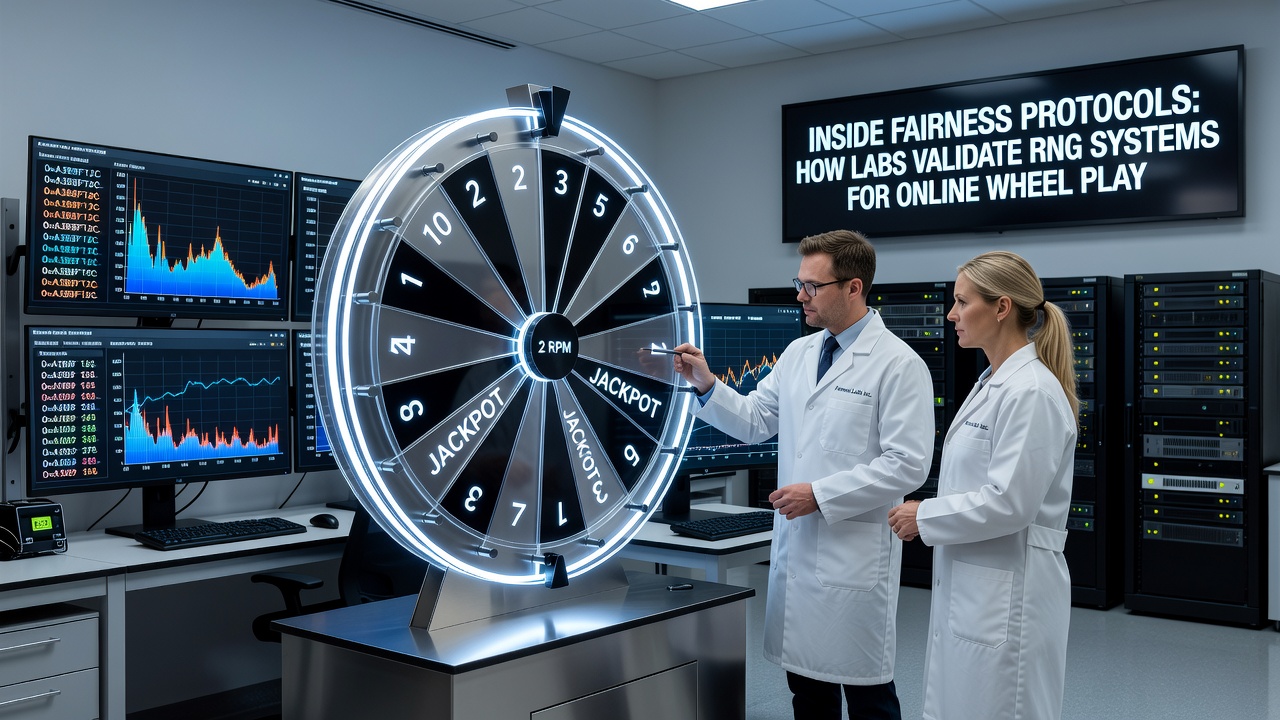
Lab Certification Processes for Random Number Generators in Virtual Roulette Systems
Testing facilities examine random number generator outputs through structured sequences of statistical evaluations that confirm uniformity, independence, and unpredictability across millions of simulated spins. These evaluations follow established mathematical frameworks where algorithms undergo scrutiny for period length, seed handling, and resistance to pattern detection before any system receives operational clearance. Laboratories apply suites such as NIST SP 800-22 and DIEHARD to measure deviation from expected distributions while analysts document every parameter that governs number production.Core Statistical Methods Applied During Validation
Engineers run chi-square tests alongside serial correlation checks and runs tests that together reveal whether sequences behave as truly random or exhibit subtle biases that could affect wheel outcomes. Frequency analysis confirms each number appears with equal probability over large sample sizes while gap analysis tracks intervals between repeated results to ensure no clustering occurs beyond chance expectations. Those procedures continue until confidence intervals reach predetermined thresholds established by international testing standards.
Additional layers include poker test variants and overlapping template matching that probe for recurring subsequences within the generated stream. Laboratories also subject the RNG to restart conditions and various seed inputs to verify consistent performance regardless of initial state or external timing factors. Data collected during these phases feeds into comprehensive reports that detail pass rates and any anomalies flagged for further review.
Hardware and Software Integration Checks
Validation extends beyond pure algorithm review to encompass how RNG modules interact with game servers and live wheel interfaces. Specialists examine entropy sources whether derived from physical noise or cryptographic functions and confirm that hardware security modules protect against tampering during continuous operation. Integration audits verify that game logic pulls values only from certified RNG instances and that no external interference can alter the sequence mid-spin.
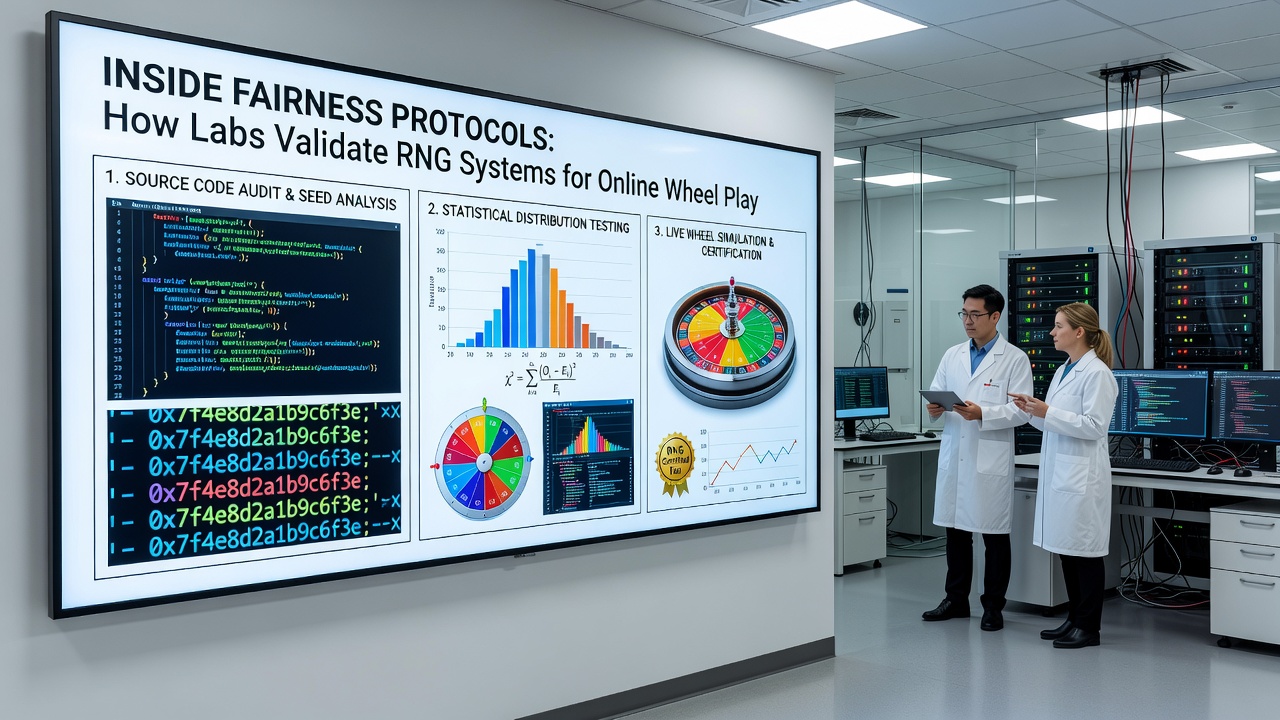
August 2026 brought updated firmware requirements from several testing bodies that now mandate real-time entropy monitoring alongside traditional batch testing. Facilities have incorporated these new protocols into existing workflows so that ongoing certification remains aligned with evolving technical specifications across multiple jurisdictions.
Documentation and Ongoing Compliance Requirements
Every validated system receives a unique certification identifier along with detailed logs that regulators and operators can reference during audits. Annual re-testing cycles require fresh statistical samples and source code reviews to detect any modifications that might compromise randomness properties. Observers note that such recurring evaluations prevent gradual drift and maintain integrity throughout the operational lifespan of each platform.
Industry organizations including the Gaming Laboratories International publish aggregated findings that illustrate common failure modes across submissions while academic papers from institutions such as the University of Nevada examine long-term statistical behavior of certified generators. These resources help developers refine implementations before formal submission and reduce the number of resubmissions needed for approval.
Conclusion
Certification protocols continue to evolve as computational methods advance and regulatory expectations shift across different regions. Laboratories maintain rigorous sequences of tests that cover both theoretical properties and practical deployment scenarios ensuring that virtual wheel systems deliver outcomes consistent with stated probabilities. The combination of statistical rigor, hardware verification, and periodic re-evaluation forms the foundation that supports player trust in online roulette environments worldwide.